Basic Irrigation Guidelines for Healthy Crops
Proper watering is essential for healthy plant growth and good crop yields. These basic irrigation guidelines provide practical advice on irrigation practices for crops, helping farmers determine when and how much water their plants need. Understanding how often to water crops is important because different crops have different rooting depths and water requirements.
Proper soil moisture management also helps prevent both drought stress and overwatering. From newly planted seedlings to deep-rooted crops such as tomatoes and maize, applying the right irrigation techniques encourages strong root development, conserves water, and supports healthier, more productive plants throughout the growing season.
Irrigation Guidelines for Crops
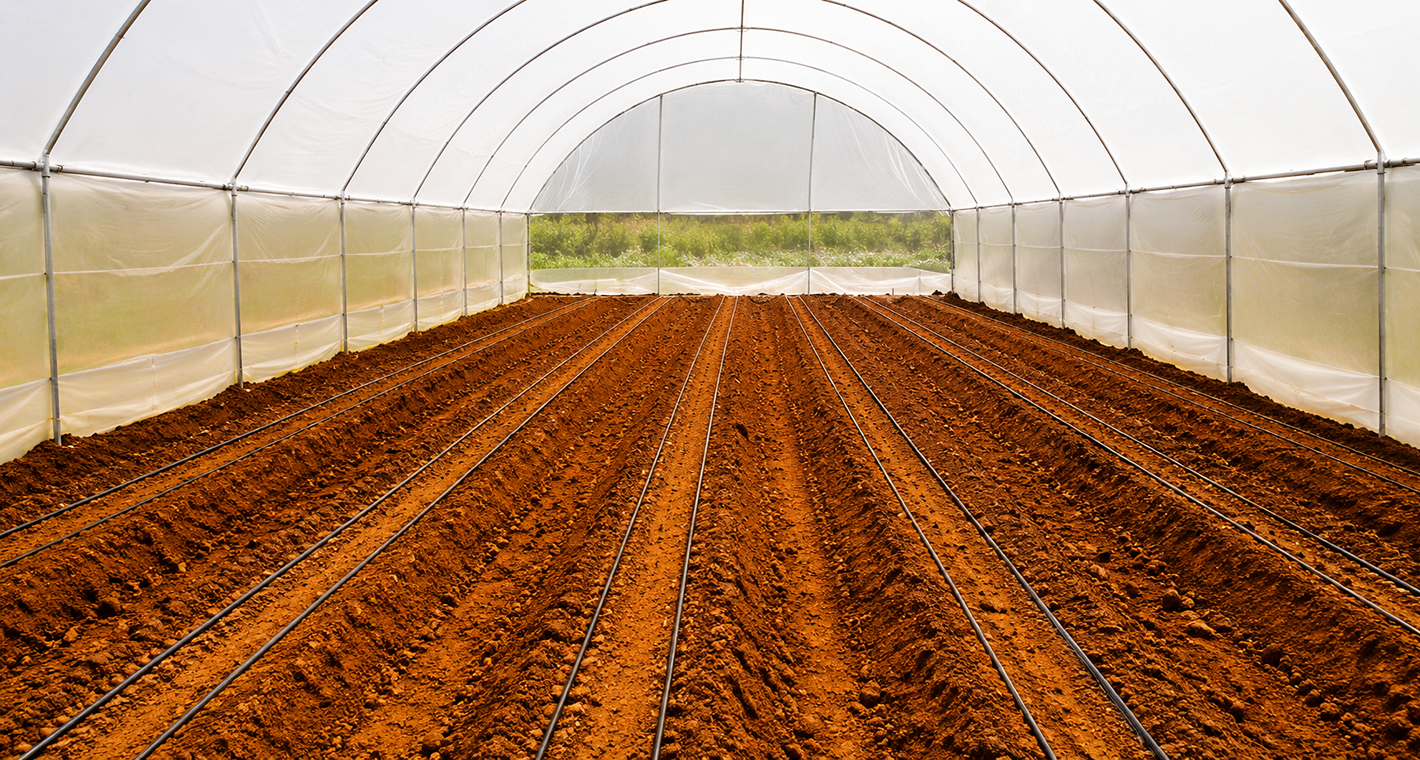
- Germinating seeds and seedlings after transplanting need to be kept uniformly moist.
- Developing plants need to be watered deeply, but less often, to encourage deep root growth. Frequent, shallow watering promotes superficial root development. Such plants will be susceptible to drought. Water to a depth of about half a foot; then let the surface dry out to a depth of one or two inches (3 to 5 cm) before irrigating again.
- Shallow rooting crops such as green beans or onions draw water from the top soil. They should be soaked thoroughly, but irrigated again only when they show signs of needing additional water such as wilting during the hottest time of the day.
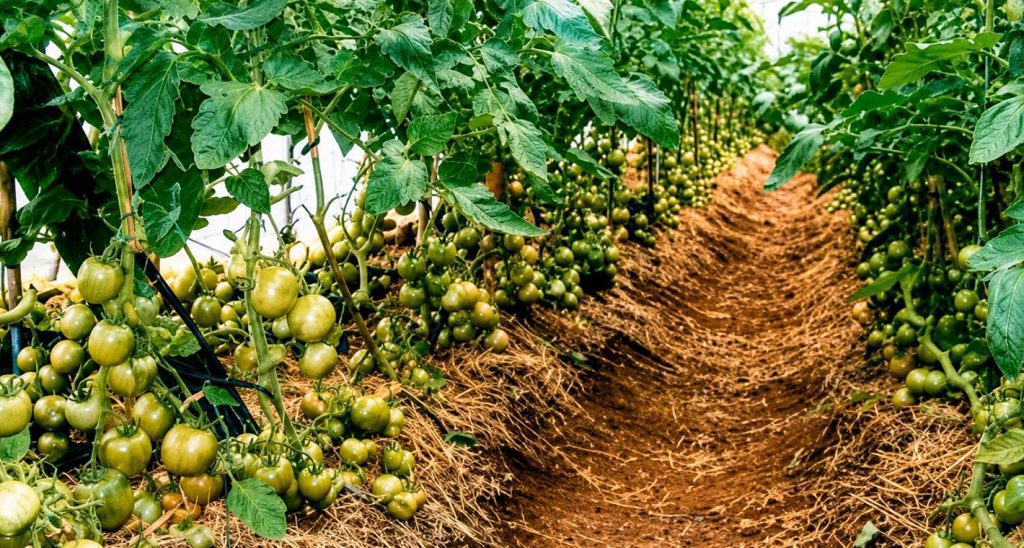
- Deep rooting plants (e.g. maize, tomatoes or asparagus) can draw water from 2 feet down. They need water less frequently, but more water each time to moisten the soil deeply.
- Observe your plants every day, and respond promptly if they show signs of needing water! Postponing irrigation can damage plants very quickly, especially in hot
weather. - During dry, hot, and windy weather, plants need more water than during humid and cloudy conditions, as the soil dries out faster.
- Avoid also over-watering. Plants can drown in very wet soil when their roots are left without oxygen.
- Check the soil to see how deep the moisture goes. The surface may look dry while the rooting zone is still wet.
- Sandy soils need more water because water can drain twice as fast through sand than through clay.
- Mulches are very beneficial as they conserve soil moisture reducing the amount of water needed. They also suppress weed growth.
This is where we come in to assist with identification and provision of irrigation water
Grow More with Green Tec Irrigation Solutions for Farmers
Green Tec provides reliable irrigation projects in Kenya, including high-quality drip irrigation systems and customized water solutions for farms and greenhouse applications.
Contact us today for a free quotation and discover reliable irrigation solutions for farmers across Kenya.