
Automatic Fertilizer Injector Systems Kenya
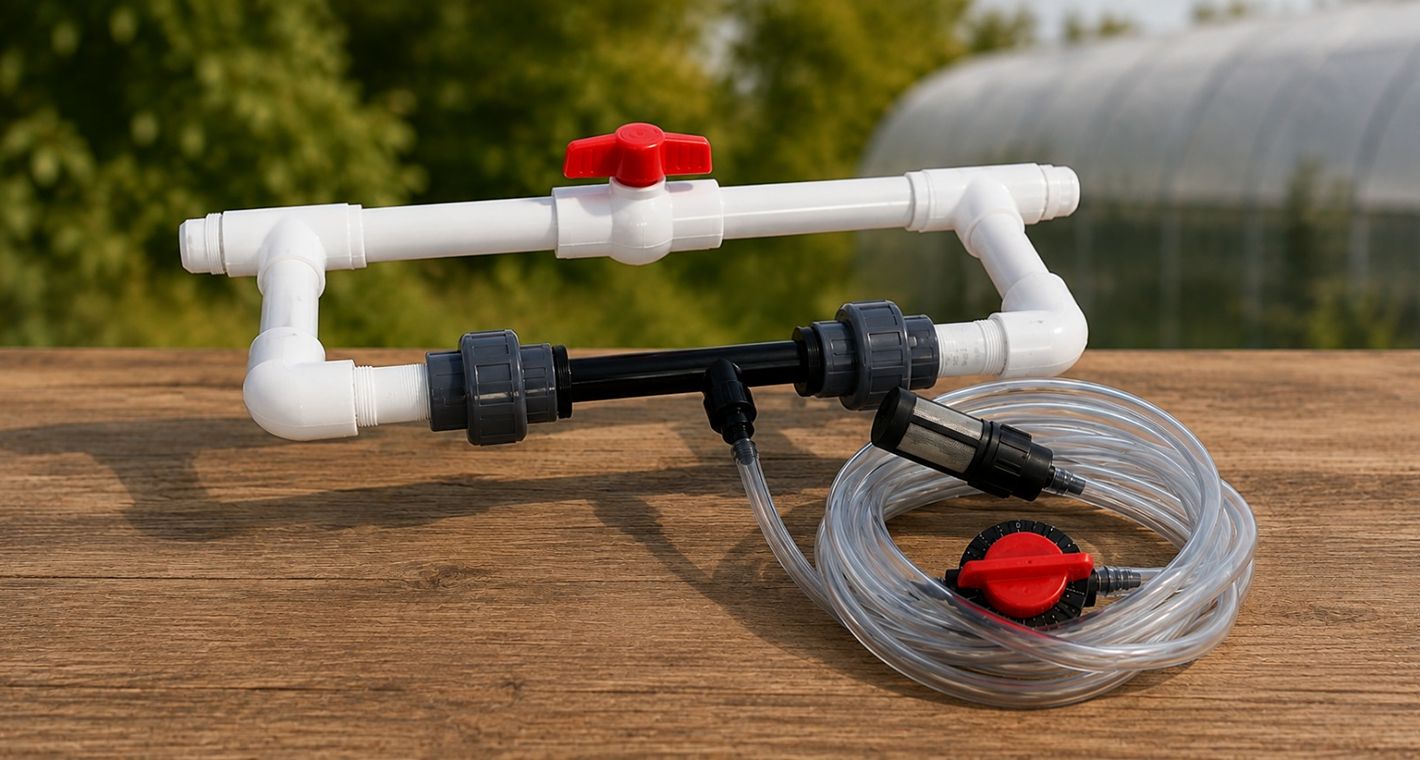
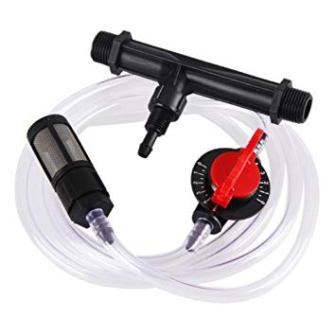
We supply and install high-quality fertilizer injector control systems across Kenya to suit your farming needs. The cost of purchase and installation depends on the size of the area to be covered. Fertilizer injector control systems are an essential part of modern agriculture, helping farmers save time, improve efficiency, and simplify fertilizer application.
How to Grow the Best Tomatoes Under Greenhouse Farming
Homegrown tomatoes always taste fresher than store-bought ones. For greenhouse farming, choose crack-resistant tomato varieties. These varieties perform well indoors and are ideal for making sauces and tomato paste.
01.
Prepare a Quality Soil Mix
Start with a high-quality potting mix. Add about 10% worm castings to enrich the soil.
A standard potting mix should contain equal parts of perlite, vermiculite, and sphagnum peat moss. Adjust the soil pH by adding one teaspoon of hydrated lime for every gallon of soil mix. Lime supplies calcium, which helps prevent blossom-end rot.
Moisten the soil gradually using clean water. The mixture is ready when you squeeze a handful and only a few drops of water come out.
Designed for durability and maximum productivity, our greenhouse solutions provide ideal growing conditions by protecting crops from pests, diseases, and unpredictable weather. They also improve water efficiency and crop quality, enabling year-round production. Whether you are a small-scale or commercial farmer, Green Tec greenhouses help increase yields, profitability, and long-term agricultural success.
02.
Start Your Tomato Seeds
Fill a nursery tray with the prepared soil mix. Plant the seeds about ¼ inch (6 mm) deep. Space them approximately 8 seeds per inch.
Cover the tray for the first few days to prevent the soil from drying out. Tomato seeds germinate best at 80°F (27°C) and usually sprout within 5 to 12 days.
Remove the cover as soon as the seedlings emerge. Keep the seedlings 4 to 6 inches below fluorescent lights. Provide 18 to 24 hours of light each day.
When the seedlings reach about 1½ inches tall, transplant them carefully into individual 6-inch pots.
03.
Care for Young Tomato Plants
Keep the plants under 2 or 3 fluorescent lights for 18 to 24 hours daily. Feed them with Maxsea 16-16-16 fertilizer. This fertilizer provides the nitrogen needed for healthy vegetative growth.
Mix one rounded teaspoon per gallon of water, which equals approximately 600 ppm. Add 10 ml of Thrive Alive B1 per gallon. Maintain daytime temperatures between 70°F and 75°F (21°C–24°C) and nighttime temperatures between 65°F and 67°F (18°C–19°C).
Once the plants reach 12 inches or taller, transplant them into 1-gallon containers. After 6 to 8 weeks, they should begin producing fruit.
04.
Encourage Flowering and Fruiting
Tomato plants normally begin flowering 60 to 80 days after planting.
Before flowering starts, transplant the plants into 3-gallon containers.
For the first two weeks, feed them with a high-phosphorus fertilizer such as 10-52-10 or a similar formulation.
Feed the plants every time you water them. Use a fertilizer solution of approximately 800 ppm, which is slightly more than half the recommended full strength.
After the initial flowering period, switch back to 16-16-16 fertilizer at 800 ppm for the remainder of the growing season.
05.
Pollinate the Flowers
Pollinate the flowers every day during warm, humid conditions. The ideal humidity is 65% to 70%. Most greenhouse growers pollinate between 11:30 a.m. and 12:30 p.m., when conditions are ideal. Pollinating too early or too late may reduce fruit production. Tomato flowers have two main parts. The male anthers produce pollen, while the female carpels receive it.
Unlike many other plants, tomato pollen is held inside the anthers. It requires vibration to be released. In nature, bees create this vibration by buzzing their wings.
In a greenhouse, gently shake the flower clusters or use an electric pollinator to improve pollination and increase fruit set.
Grow More with Green Tec
Green Tec supplies high-quality greenhouses, drip irrigation systems, and fertigation equipment across Kenya.
Contact us today for a free quotation and discover affordable solutions for successful greenhouse farming.